

Blog
1- K 56 Pink Pill 10 mg: Important, Uses, Side Effects & Risks
The K 56 pink pill 10 mg
The K 56 pink pill 10 mg is associated with oxycodone hydrochloride, a prescription opioid used for pain relief. Because oxycodone can cause serious side effects, dependence, and respiratory depression, it should only be used according to a healthcare professional’s directions.
For general information about the K 56 pink pill, visit the product information page referenced above.
What Is the K 56 Pink Pill?
The pill marked K 56 and described as a pink 10 mg tablet is associated with oxycodone hydrochloride 10 mg.
Pill appearance alone should not be relied upon for identification. If you have a tablet and are unsure what it is, ask a pharmacist or healthcare professional before taking it.
The imprint on a tablet can be useful when identifying medication, but an imprint should always be considered together with other identifying information. Different medicines can sometimes have similar colors, shapes, or markings, and counterfeit tablets can also be made to resemble legitimate prescription medicines.
A pharmacist can help determine whether a tablet matches its stated description and whether it is appropriate for the person who has been prescribed it.
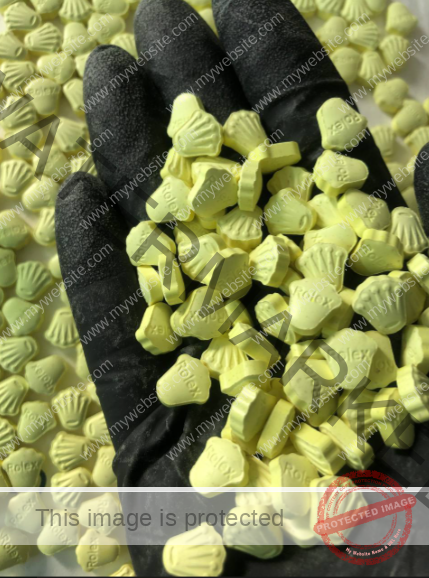
common types of pills
pills for sale
High-Quality Pills for Sale: Enhance Your Well-being Today
Discover a wide range of high-quality pills for sale designed to enhance your well-being and meet your health needs. At our trusted online store, we offer premium supplements, vitamins, and medications that are carefully sourced and rigorously tested for safety and effectiveness.
Why Choose Our Pills?
Top-Rated Quality: Our pills are manufactured in certified facilities, ensuring top-notch quality and compliance with industry standards.
Affordable Prices: Enjoy competitive pricing on all our products, with frequent discounts and special offers.
Fast and Discreet Shipping: We provide fast, discreet shipping to ensure your privacy and convenience. Track your order in real-time and know exactly when it will arrive.
Wide Selection: From vitamins and dietary supplements to prescription medications, we have everything you need to support your health and wellness journey.
Benefits of Buying Pills Online
Convenience: Shop from the comfort of your home and have your order delivered right to your door.
Expert Advice: Access professional guidance and detailed product descriptions to make informed decisions.
Customer Satisfaction: Our dedicated customer support team is here to assist you with any questions or concerns.
Shop Now and Improve Your Health
Don’t wait any longer to take control of your health. Visit our website today to explore our extensive range of pills for sale and enjoy the best in health and wellness. Boost your well-being with trusted, high-quality products from our store.
What Is K 56 Oxycodone 10 mg Used For?
Oxycodone is an opioid pain medicine used to relieve certain types of moderate to severe pain when a healthcare professional determines that an opioid is appropriate.
The appropriate dose depends on individual factors, including:
• The cause and severity of pain
• Previous opioid exposure
• Other medicines being taken
• Alcohol or substance use
• Respiratory health
• Age
• Pregnancy status
• Kidney and liver function
• Previous history of opioid-related problems
Oxycodone works by interacting with opioid receptors in the central nervous system. These receptors influence the way the brain and body process pain signals.
Because opioid receptors also affect breathing, alertness, digestion, and other body functions, oxycodone can produce effects beyond pain relief.
This is why the medicine needs to be used carefully and why the same tablet can affect different people in different ways.
How Does Oxycodone Work?
Oxycodone reduces the perception of pain by acting on opioid receptors in the nervous system.
When these receptors are activated, the intensity of pain signals reaching the brain can be reduced. This can make significant pain more manageable for an appropriate patient.
However, the same mechanism can also cause sleepiness, dizziness, constipation, nausea, and slowed breathing.
Oxycodone may also produce feelings of relaxation or euphoria in some individuals. These effects are among the reasons opioids can be misused and why prolonged exposure can result in tolerance or physical dependence.
The goal of medical treatment is to achieve appropriate pain control while limiting unnecessary exposure and reducing avoidable risks.
K 56 Pink Pill 10 mg Strength
The K 56 pink pill 10 mg is associated with a 10 mg strength of oxycodone hydrochloride.
The number of milligrams does not by itself determine how strong the medicine will feel to an individual. A person who has never taken opioids may be much more sensitive to the effects than someone who has previously received opioid treatment.
Age, body chemistry, medical conditions, other medicines, and previous opioid exposure can all influence the response.
For this reason, a person should never increase the amount simply because the expected pain relief has not occurred quickly enough. Any change in opioid treatment should be discussed with a healthcare professional.
Common Side Effects
Oxycodone can cause several common side effects.
Some of the effects people may experience include:
• Sleepiness
• Dizziness
• Nausea
• Vomiting
• Constipation
• Headache
• Itching
• Dry mouth
• Sweating
• Weakness
• Light-headedness
Some side effects may become less noticeable as the body adjusts to treatment, but others can persist or become more serious.
Constipation is particularly common with opioid medicines because opioids can slow movement through the digestive system. People taking opioid medication regularly should discuss constipation prevention and treatment with a healthcare professional.
Nausea and dizziness may also occur, particularly when treatment is first started or when the dose changes.
Drowsiness and Sedation
One important effect of oxycodone is central nervous system depression.
A person taking oxycodone may feel sleepy, relaxed, or less alert. This effect can become much stronger when oxycodone is combined with alcohol, sedatives, or other medicines that depress the nervous system.
Excessive sedation can become dangerous because a person may become difficult to wake or may develop dangerously slow breathing.
Anyone who experiences extreme sleepiness, confusion, or difficulty staying awake after taking an opioid should receive urgent medical attention.
People should also be cautious with activities that require concentration or coordination. Until they know how the medicine affects them, they should avoid driving or operating machinery.
Respiratory Depression
One of the most serious risks associated with oxycodone is respiratory depression.
Respiratory depression means breathing becomes unusually slow, shallow, or ineffective. In severe cases, it can cause unconsciousness, brain injury, or death.
The risk can increase when opioids are:
• Taken in excessive amounts
• Combined with alcohol
• Combined with benzodiazepines
• Combined with other sedatives
• Taken by someone without opioid tolerance
• Used in ways other than prescribed
Signs of a possible opioid overdose can include extremely slow or stopped breathing, inability to wake the person, very small pupils, unusual snoring or gurgling sounds, and loss of consciousness.
An opioid overdose is a medical emergency.
Oxycodone and Alcohol
Combining oxycodone with alcohol can be dangerous.
Both substances can depress the central nervous system. Together, their effects may be stronger than either substance alone.
Potential consequences include:
• Severe sedation
• Poor coordination
• Loss of consciousness
• Respiratory depression
• Coma
• Death
People taking oxycodone should discuss alcohol use with their healthcare professional rather than assuming that a small amount is automatically safe.
Alcohol can remain in the body for several hours, and its interaction with opioid medicines can create risks that are difficult to predict.
Oxycodone and Benzodiazepines
Benzodiazepines are medicines that can produce sedation and central nervous system depression. Examples include diazepam, alprazolam, clonazepam, and lorazepam.
Using benzodiazepines together with opioids can increase the risk of profound sedation and respiratory depression.
This combination should only be used when specifically directed and monitored by an appropriate healthcare professional.
Never combine prescription medicines simply because both have been prescribed at different times.
Other medicines that cause sedation can also increase risk. This is why healthcare professionals should be given a complete list of prescription medicines, over-the-counter products, and other substances being used.
Dependence and Addiction
Oxycodone can lead to physical dependence and addiction.
These are related but different concepts.
Physical dependence means the body has adapted to repeated exposure to the medicine. If the medication is suddenly stopped, withdrawal symptoms may occur.
Addiction, or opioid use disorder, involves problematic use that can include cravings, loss of control, continued use despite harm, and other behavioral symptoms.
A person can develop physical dependence without having an addiction. However, the possibility of addiction is an important reason opioids require careful monitoring.
People taking opioids for legitimate medical reasons should not feel ashamed about discussing dependence, tolerance, or concerns about medication use with their healthcare professional.
Oxycodone Tolerance
Tolerance can develop when the body becomes accustomed to repeated exposure to an opioid.
When tolerance develops, the same amount may produce less of the desired effect. This can create a temptation to take more medication.
Increasing the dose without medical guidance can be dangerous because tolerance to pain relief does not necessarily develop at exactly the same rate as tolerance to respiratory effects.
This means taking more oxycodone can substantially increase overdose risk.
If a person believes their medication is no longer providing adequate pain relief, the appropriate response is to discuss the situation with the prescriber rather than independently changing the dose.
Oxycodone Withdrawal
People who have used oxycodone regularly for an extended period may experience withdrawal if they stop suddenly.
Withdrawal symptoms can include:
• Anxiety
• Restlessness
• Sweating
• Runny nose
• Muscle aches
• Abdominal cramps
• Nausea
• Vomiting
• Diarrhea
• Insomnia
• Chills
• Increased heart rate
Withdrawal can be extremely uncomfortable.
People who have been taking opioids regularly should speak with a healthcare professional before stopping treatment. Depending on the situation, gradual dose reduction may be recommended rather than abrupt discontinuation.
The exact withdrawal experience varies between individuals and can depend on how long the medicine has been used, the amount taken, and whether other substances are involved.
Can the K 56 Pink Pill Be Dangerous?
Yes. Oxycodone can be dangerous when it is used incorrectly.
The risks are especially important because opioids can suppress breathing. Taking more than prescribed, combining opioids with other depressants, or taking a tablet that has not been correctly identified can increase the danger.
The risk is not limited to people who intentionally misuse opioids. Accidental medication errors can also result in overdose.
That is why correct identification, appropriate dosing, secure storage, and professional medical guidance matter.
Counterfeit Pills and Identification
A pill imprint such as K 56 can help identify a genuine medication, but counterfeit pills can sometimes be manufactured to resemble legitimate medicines.
A counterfeit tablet may contain a different active ingredient, an incorrect dose, or a dangerous substance.
For this reason, people should be cautious about tablets obtained outside legitimate medication channels. Never assume that a pill is safe solely because it has the expected color, shape, or imprint.
If you are uncertain about a tablet, a pharmacist or other qualified healthcare professional can help verify its identity.
This is particularly important with opioids because taking an unexpected substance can result in serious poisoning or overdose.
Storage and Safe Handling
Prescription opioids should be stored securely and kept away from children, visitors, and anyone for whom the medication was not prescribed.
Good storage practices include:
• Keep medication in its original packaging when practical.
• Store it somewhere secure.
• Keep it out of children’s reach.
• Do not share prescription medication.
• Keep track of how much medication remains.
• Follow instructions for disposal of unused medicine.
Because opioids can be dangerous when taken by the wrong person, secure storage is especially important.
Unused medication should not simply be left in an accessible location. Appropriate disposal options can be discussed with a pharmacist or local medicine-disposal service.
Driving While Taking Oxycodone
Oxycodone can cause dizziness, sleepiness, blurred thinking, and impaired coordination.
These effects may make driving or operating machinery unsafe.
The effects can be particularly strong when someone first starts treatment, when the dose changes, or when oxycodone is combined with another sedating medicine.
People should understand how the medicine affects them before engaging in activities that require full alertness.
Even if a person feels comfortable taking the medicine, additional sedating substances can change the level of impairment.
Pregnancy and Breastfeeding
Oxycodone use during pregnancy and breastfeeding requires medical consideration.
Opioids can cross the placenta and may affect a developing baby. Long-term opioid exposure during pregnancy can also result in neonatal withdrawal after birth.
Oxycodone can also pass into breast milk and may affect a breastfed infant.
Anyone who is pregnant, planning pregnancy, or breastfeeding should discuss opioid treatment with a healthcare professional before starting, stopping, or changing medication.
Treatment decisions during pregnancy should be individualized because untreated severe pain can also create health concerns.
Older Adults and People With Medical Conditions
Some people may be more sensitive to opioid effects.
Extra care may be needed for older adults and people with certain respiratory, liver, kidney, or neurological conditions.
A complete medication history is also important because interactions can change the effects of oxycodone.
A doctor or pharmacist can assess individual risk factors and determine whether an opioid is appropriate.
People with breathing problems should make sure their healthcare professional knows about their condition before taking an opioid.
What Happens If Too Much Oxycodone Is Taken?
Taking too much oxycodone can result in an overdose.
Possible overdose signs include:
• Extremely slow breathing
• Shallow breathing
• Difficulty waking
• Unresponsiveness
• Blue or gray lips or fingertips
• Very small pupils
• Gurgling or unusual breathing sounds
• Loss of consciousness
If an opioid overdose is suspected, emergency medical assistance should be obtained immediately.
Naloxone is an opioid overdose reversal medication that can temporarily restore breathing in many opioid overdoses. Emergency medical care is still necessary because naloxone may wear off before the opioid has left the body.
A person experiencing or witnessing a suspected overdose should not assume that the person will simply sleep it off. Severe opioid toxicity can progress quickly.
Why Prescription Information Matters
The K 56 pink pill is not simply a product identified by color and imprint. It contains a potent prescription opioid, meaning the circumstances under which it is used matter.
A medical professional considers:
• The cause and severity of pain
• Previous opioid exposure
• Other medicines
• Alcohol or substance use
• Respiratory health
• Age
• Pregnancy status
• Kidney and liver function
• Previous history of opioid-related problems
These factors can influence both effectiveness and safety.
A medication that is appropriate for one person may not be appropriate for another. This is particularly important with opioids because individual sensitivity can vary considerably.
How Long Does Oxycodone Stay in the Body?
The amount of time oxycodone remains active or detectable can vary between individuals.
Factors such as the formulation, dose, frequency of use, liver function, kidney function, age, and other medicines can influence how the body processes the drug.
It is therefore not appropriate to assume that a specific number of hours makes the medicine completely inactive or eliminates interaction risks.
Anyone with concerns about drug interactions, testing, or stopping treatment should discuss the situation with a healthcare professional.
Why People Should Not Share Oxycodone
Prescription medicines are prescribed based on an individual’s medical circumstances.
Sharing oxycodone with another person can expose them to risks that were not considered when the medication was prescribed. A person may have an allergy, medical condition, medication interaction, or lower opioid tolerance that makes the drug particularly dangerous.
Sharing prescription opioids can therefore result in serious harm.
Medication should remain with the person for whom it was prescribed.
Recognizing Concerning Symptoms
Not every side effect means that an emergency is occurring, but certain symptoms require immediate attention.
Severe difficulty breathing, inability to wake, extreme confusion, collapse, or loss of consciousness should be treated as emergencies.
Other persistent or troubling symptoms should be discussed with a healthcare professional, particularly if they interfere with normal daily activities.
People should also report unexpected reactions rather than attempting to manage serious symptoms by changing the dose independently.
K 56 Pink Pill and Other Sedating Medicines
Oxycodone can interact with many medicines that affect the central nervous system.
These may include certain:
• Anxiety medicines
• Sleeping medicines
• Sedatives
• Other opioids
• Muscle relaxants
• Some medicines that cause drowsiness
The exact interaction depends on the substances involved.
A pharmacist can review a complete medication list and identify potential interactions. This is one reason it is useful to tell healthcare professionals about all medicines being taken, including non-prescription products.
Frequently Asked Questions
What is the K 56 pink pill?
The K 56 pink pill 10 mg is associated with oxycodone hydrochloride, an opioid pain medicine. Identification should be confirmed through reliable medication information or a pharmacist.
What is the K 56 pink pill 10 mg used for?
It is medically used for pain relief when oxycodone has been prescribed as appropriate. It should only be taken according to the individual’s prescription instructions.
Is K 56 the same as oxycodone?
The K 56 imprint is associated with an oxycodone hydrochloride 10 mg tablet. However, imprint and appearance should be professionally verified if there is any uncertainty.
Can oxycodone cause addiction?
Yes. Oxycodone can cause misuse, addiction, tolerance, and physical dependence.
Can oxycodone cause withdrawal?
Yes. Regular opioid use can result in physical dependence. Suddenly stopping regular use may cause withdrawal symptoms, so dose changes should be discussed with a healthcare professional.
Can oxycodone slow breathing?
Yes. Respiratory depression is one of the most serious risks associated with oxycodone and other opioids.
Can you drink alcohol while taking oxycodone?
Alcohol can increase the sedating and respiratory-depressing effects of oxycodone. Combining alcohol and oxycodone can be dangerous.
Can oxycodone be taken with other medicines?
Some medicines can interact with oxycodone, particularly other central nervous system depressants. A doctor or pharmacist should review all medicines and substances being used before combining them.
What should I do if I cannot identify a pink pill?
Do not take an unidentified tablet. Keep it separate and ask a pharmacist or qualified healthcare professional to identify it.
K 56 Pink Pill Safety Information
Oxycodone can cause side effects including:
• Drowsiness
• Dizziness
• Nausea
• Constipation
• Sedation
• Physical dependence
• Respiratory depression
The risk of serious harm increases when oxycodone is taken in excessive amounts or combined with alcohol, benzodiazepines, or other substances that slow the central nervous system.
Correct identification is particularly important when dealing with opioid medicines. If a tablet looks different from what was expected, has unexpected packaging, or cannot be verified, it should not be taken until its identity has been confirmed.
Final Thoughts
The K 56 pink pill 10 mg is associated with oxycodone hydrochloride, an opioid medicine used for pain relief. Understanding the medication is important because its effects extend beyond pain control and can include sedation, constipation, dizziness, respiratory depression, tolerance, dependence, and addiction.
The most serious concern is respiratory depression, particularly when oxycodone is taken in excessive amounts or combined with alcohol, benzodiazepines, or other sedating substances.
Anyone using an oxycodone-containing medication should follow the directions provided by their healthcare professional and avoid changing the dose independently.
If a tablet’s identity is uncertain, professional verification is safer than relying only on its appearance or imprint. Understanding what the K 56 pink pill contains, why it may be prescribed, and what risks are associated with it can help people make informed decisions about medication safety.
